
Journalism and Media Ethics
A practical guide to media ethics for journalists, content creators and marketing teams: how to make everyday publishing decisions fairly, protect sources, disclose sponsorship and correct mistakes.
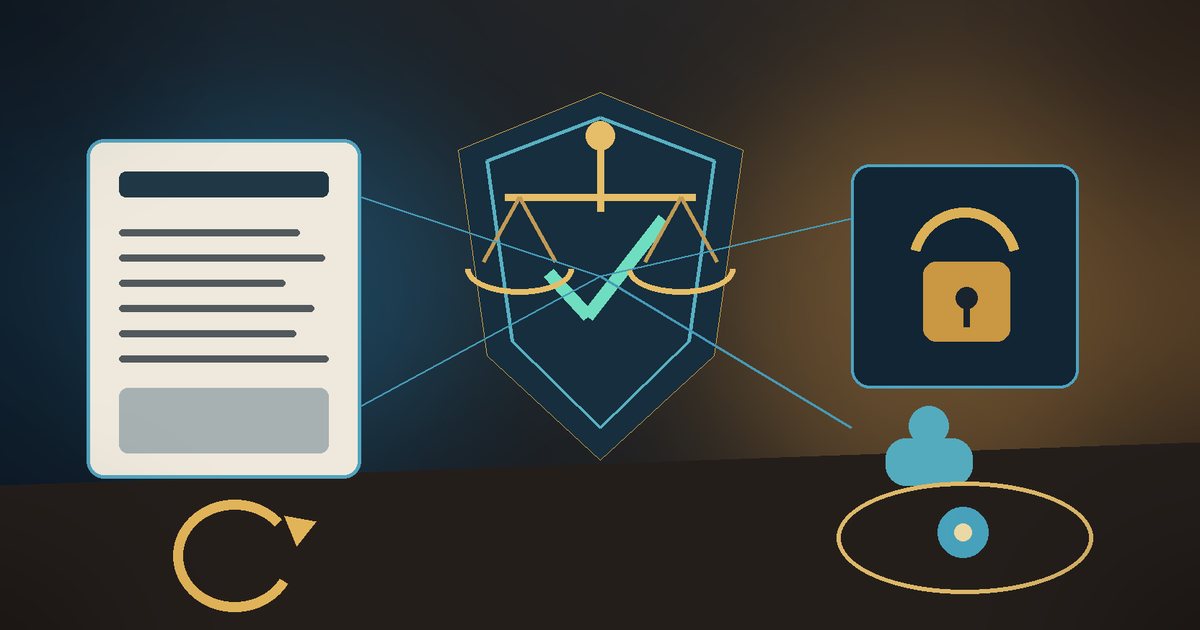
Media ethics are the principles that govern how information is gathered and published: accuracy, independence, fairness, minimizing harm, respect for privacy, protecting sources, and transparency about advertising and corrections. They are not law but a professional commitment that protects a publisher's most valuable asset, the audience's trust. They are not only for journalists either: they apply to content creators, corporate communications teams and anyone publishing to an audience. This guide sets out the principles shared by widely used codes of practice, with examples of everyday publishing decisions.
Why ethics matter beyond the newsroom
Journalists' unions, press councils and media organizations publish codes of practice that differ in wording but meet on core ideas, often grouped under four headings: seek the truth and report it, minimize harm, act independently, and be accountable and transparent.
The difference between ethics and law matters. Law sets the minimum; ethics asks what is right even when something is allowed. Republishing a grieving family's photo from their public account may break no law, yet it still calls for an ethical judgment. The law still applies, of course: defamation, privacy and publishing laws in the region can be strict. What follows is general professional guidance, not legal advice, so consult a lawyer on sensitive cases.
These principles underpin every writing skill in the complete guide to journalism and content writing.
Accuracy comes first
- Verify before publishing. Every material fact needs a reliable source, and sensitive claims usually need two independent ones. Methods are covered in fact-checking and countering misinformation.
- Separate news from opinion. Label opinion pieces clearly and keep opinion out of copy presented as news.
- Respect context. A number without context can mislead, and a genuine photo from another time or place misleads too.
- Quote accurately. Trimming is fine; changing the meaning or stripping context is not.
- No misleading image edits. Adjusting exposure is acceptable; adding or removing elements in a news photo is not. Label illustrations and AI-generated images clearly.
Speed never excuses error. Being second and right beats being first and wrong.
Independence and conflicts of interest
Independence means publishing decisions serve the audience, not an advertiser, owner, source or pressure group. A conflict of interest arises when you have a personal stake in what you cover, for example:
- writing about a company you hold shares in or where a relative works;
- reviewing a product for an agency client and presenting it as an independent review;
- accepting valuable gifts or free trips from an organization you will write about.
There are three practical responses: disclose the interest to readers, step aside and let a colleague cover it, or decline the gift or invitation. If you accept a press trip, say so in the piece: "The writer visited the exhibition as a guest of the organizers." Relationships between organizations and journalists should rest on information, not favors, which is the subject of PR and media relations.
Fairness and balance
- Right of reply: if a story criticizes a person or organization, give them a genuine chance and reasonable time to respond before publication. If they do not respond, say so: "The company had not responded to our questions at the time of publication."
- Avoid false balance: fairness does not mean giving a fringe view equal space with established evidence. It means presenting each view at its real weight.
- Neutral language: choose precise rather than loaded words, and avoid stereotypes about nationalities, religions and women.
- Leave out what is irrelevant: especially in the Gulf's multinational societies, mention someone's origin or religion only when it is central to the story.
- Headlines are part of fairness: an exaggerated headline undermines an accurate story. See writing compelling headlines without clickbait.
Minimizing harm
The rule is to weigh the public interest in publishing against the harm it is likely to cause, and to treat people as human beings rather than story material.
- Victims and families: respect dignity and grief, do not publish shocking images for effect, ask for consent and accept a refusal.
- Children: protect their identity, especially in crime and abuse stories. Parental consent is not always enough if publication could harm the child later.
- Suicide and self-harm: avoid describing methods and sensational language, and include information about available support services. Health bodies publish media guidelines on this subject that are worth following.
- People accused of crimes: they are innocent until proven guilty. Do not call them criminals, follow the case to its end, and give an acquittal the same prominence as the accusation.
Privacy: public interest, not public curiosity
Public interest is not "whatever the public finds interesting". It covers exposing wrongdoing, protecting public health and safety, and preventing people from being misled about how office holders act in their public roles.
- Public figures have less privacy in matters linked to their public role, not in the lives of their families and children.
- A private individual's social media post is not automatically fair game for republication; consider the context and the audience it was written for.
- Hidden cameras and secret recording are a rare exception, justified only by a strong public interest when no other method exists, and they are legally restricted in many countries.
- Publishing images of people often requires their consent. Usage rights are explained in image rights and licensing.
Protecting sources
- Grant anonymity only when needed: the information matters, the source faces real risk, and there is no other way to get it. Tell readers why the source is not named.
- Agree terms before talking: on the record, on background without a name, or off the record entirely. Terms are set before the interview, not after. More in conducting a journalistic interview.
- Keep your word. Exposing a source you promised to protect destroys trust with every future source.
- Digital security: use encrypted messaging, keep source details out of shared folders, and remember that metadata in photos and documents can reveal who and where a source is.
- Do not pay for information. Many codes warn against it because payment can push a source to exaggerate or invent.
Sponsored content: disclose clearly
Audiences should always know whether they are reading editorial content or advertising.
- Clear labels: "Advertisement", "Paid content" or "Sponsored by" at the top, in readable type, not hidden at the end or in faint color.
- Native advertising is acceptable when clearly labeled and unacceptable when designed to imitate editorial content in order to deceive.
- Influencers and creators: disclose paid partnerships and gifts using the platforms' disclosure tools. Countries in the region have rules and licenses for advertising on social media, so check them with the competent authority in your country. Working standards are covered in influencer marketing.
- Affiliate links: if you earn when readers buy through your link, tell them.
Corrections and transparency
- Correct quickly and visibly, in proportion to the error, with a note explaining what changed and when: "Correction: an earlier version of this story gave the wrong opening date."
- No silent edits. Changing published text without a note hides the error from readers who saw it.
- Removal is the exception. Correct and update by default; take content down only in rare cases, such as when it puts someone at risk.
- Offer a complaints channel: a corrections policy page and a clear way to get in touch.
- Correct where you published. If the error spread on social platforms, the correction must reach them too.
New tools, same principles
AI tools do not change the principles; they make them more necessary. Generated text needs human verification, no one should be credited with words they did not say, generated images must be labeled, and confidential source documents should never be uploaded to external services whose data handling you do not know.
Ethics checklist before publishing
- Has every fact been verified, and are quotes accurate and in context?
- Did the criticized party get a genuine chance to reply?
- Do the headline and image match the substance of the story?
- Is there a public interest that justifies any intrusion on privacy?
- Could the story or its metadata expose a source you promised to protect?
- Have you considered victims and children and left out harmful detail?
- Do you or your organization have an interest in the subject that must be disclosed?
- Is sponsored content obvious at first glance?
- Are edited or generated images clearly labeled?
- Do you know how a mistake would be corrected, and who would do it?